West Nile's Lengthy-Time period Demise Toll Could Be Larger Than Thought
 By Randy Dotinga
HealthDay Reporter
Newest Infectious Illness Information
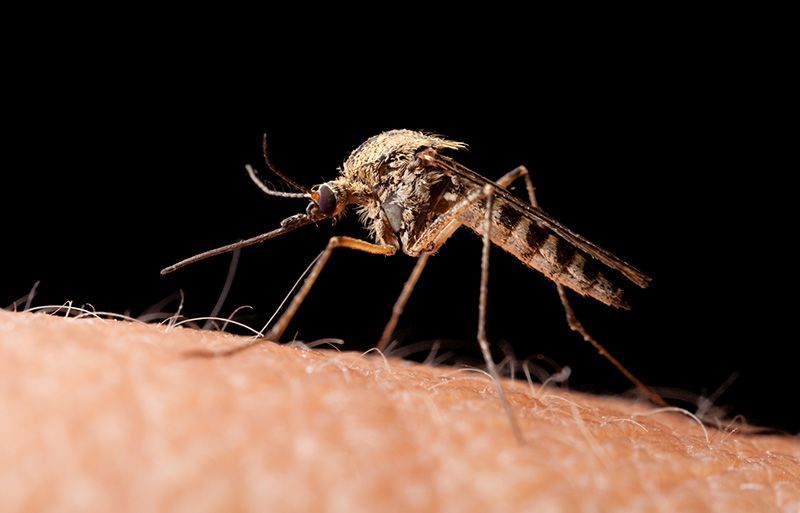
MONDAY, Nov. 14, 2016 (HealthDay Information) -- A brand new research means that the loss of life toll from the mosquito-borne West Nile virus may be a lot higher than thought as a result of its results might typically kill individuals months or years after an infection.
"We hope our analysis findings will assist encourage a push to develop a vaccine that may assist forestall illness and untimely loss of life," stated research co-author Dr. Kristy Murray, an affiliate professor with Nationwide College of Tropical Drugs at Baylor Faculty of Drugs in Houston. "Right now, the one manner individuals can forestall the illness is defending themselves from mosquito bites, which might typically be troublesome to do."
Based on the U.S. Facilities for Illness Management and Prevention, nearly 44,000 individuals have been recognized with West Nile virus illness since 1999, and lots of extra instances weren't picked up by surveillance. Whereas most contaminated individuals do not get sick, an estimated 1,900 individuals have died, and 20,000 have developed mind and spinal infections, the company stated.
"Anybody is in danger for extreme illness from West Nile," Murray stated, "though the chance of extreme illness will increase with age and with sure medical situations like hypertension and immune-suppressing situations like diabetes or most cancers."
The virus -- for which there is not any remedy -- first appeared in the USA in 1999. In 2015, the CDC reported 2,175 instances in 44 states and Washington, D.C. West Nile has been detected in the entire decrease 48 states.
West Nile is a part of the identical class of viruses that features Zika and yellow fever, the research authors stated.
Murray stated the research authors launched the analysis to raised perceive a development they'd seen in Houston: Individuals who had been contaminated with West Nile virus typically did not do nicely in the long run. "We noticed a normal decline in general well being, notably on the subject of kidney perform," she stated.
So, the researchers tracked greater than four,100 sufferers who'd been recognized with the illness in Texas between 2002 and 2012. The researchers needed to see how typically sufferers appeared to die of a trigger linked to the sickness.
The illness was usually thought of the reason for loss of life in those that died inside 90 days of an infection, accounting for 286 deaths. One other 268 individuals appear to have died later of causes linked to the sickness.
"For individuals who died later, the most typical reason for loss of life was attributed to kidney or infectious ailments," Murray stated. "The very best threat of untimely loss of life was seen in those that have been beneath 60 years of age. They have been 11 instances extra prone to die prematurely in comparison with the remainder of the Texas inhabitants."
The median -- not common -- time from an infection to a loss of life linked to the illness was three years, though some deaths occurred 10 years later. It is not clear if lower-income individuals or these with different medical situations are at greater threat, the researchers stated.
Kidney illness and kidney failure as a result of an infection appear to be inflicting the delayed deaths, Murray stated. In an earlier research, she and her analysis workforce discovered that 40 p.c of 139 sufferers with West Nile virus illness developed long-lasting kidney illness.
General, the researchers estimated the loss of life fee from West Nile virus at 13 p.c, greater than the estimated four p.c loss of life fee within the early phases of an infection. Murray stated the findings aren't stunning since she and her colleagues have seen a excessive fee of kidney issues in West Nile sufferers.
Stephen Higgs is president of the American Society of Tropical Drugs and Hygiene and a professor at Kansas State College. He stated the research is important and has the potential to make a distinction by boosting consciousness of West Nile's dangers.
"A greater understanding of an an infection like this over time is sure to assist," Higgs stated. "These findings will alert physicians to search for tell-tale indicators which may point out declining well being on account of earlier an infection with West Nile virus. They might be extra prone to ask a affected person in the event that they suppose they've been contaminated and maybe run blood checks to search for indicators of earlier an infection."
Higgs stated extra analysis into the virus is required.
"Many viral infections are troublesome to deal with as a result of there aren't any extensively obtainable efficient antiviral medicine. The scientific effort and excessive degree of funding dedication that was directed to battle HIV has been a hit story, however this sort of effort is uncommon," he stated. "The dedication for elevated funding for surveillance, coaching and analysis that was associated to West Nile virus has dried up. We have to have sustained funding, not simply funding beneath disaster situations."
The research was scheduled for presentation Monday on the 2016 Assembly of the American Society of Tropical Drugs and Hygiene in Atlanta. Analysis offered at conferences is mostly thought of preliminary till revealed in a peer-reviewed journal.

Copyright © 2016 HealthDay. All rights reserved.
SOURCES: Kristy Murray, D.V.M., Ph.D., affiliate vice chair, Analysis, and affiliate professor, Pediatrics, Nationwide College of Tropical Drugs, Baylor Faculty of Drugs, Houston; Stephen Higgs, Ph.D., president, American Society of Tropical Drugs and Hygiene, and professor, biosecurity and diagnostic drugs and pathobiology, Kansas State College, Manhattan; American Society of Tropical Drugs and Hygiene, annual assembly, Nov. 14, 2016, Atlanta

No comments:
Post a Comment