Germs on Smartphones Yield Clues to House owners' Life
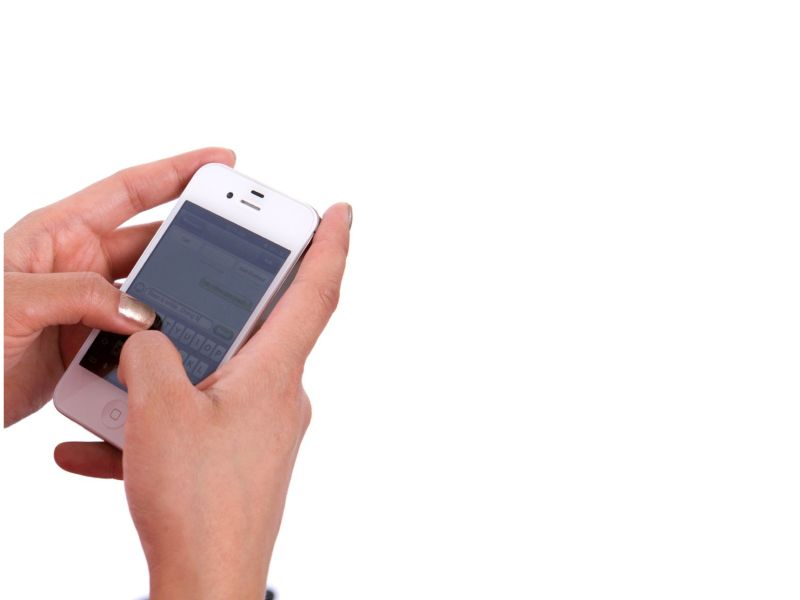
MONDAY, Nov. 14, 2016 (HealthDay Information) -- By analyzing chemical compounds, molecules and germs on individuals's smartphones, researchers say they have been capable of get a good suggestion of customers' habits and life.
This included features resembling eating regimen, medicines, hygiene and sweetness merchandise, normal well being, and locations visited.
This strategy may show helpful in numerous areas, together with medical medical trials, prison profiling, airport screening, ensuring sufferers are taking medicines, and environmental publicity research, stated examine senior creator Pieter Dorrestein.
"You possibly can think about a situation the place a criminal offense scene investigator comes throughout a private object -- like a cellphone, pen or key -- with out fingerprints or DNA, or with prints or DNA not discovered within the database. They'd don't have anything to go on to find out who that belongs to," stated Dorrestein. He is a professor on the College of California, San Diego Faculty of Medication and Faculty of Pharmacy and Pharmaceutical Sciences.
"So we thought -- what if we benefit from left-behind pores and skin chemistry to inform us what sort of way of life this individual has?" Dorrestein stated in a college information launch.
Dorrestein and colleagues took swabs from 4 areas on the cellphones of 39 wholesome adults.
"By analyzing the molecules they've left behind on their telephones, we may inform if an individual is probably going feminine, makes use of high-end cosmetics, dyes her hair, drinks espresso, prefers beer over wine, likes spicy meals, is being handled for despair, wears sunscreen and bug spray -- and subsequently doubtless spends quite a lot of time outside -- all types of issues," stated examine first creator Amina Bouslimani. She's an assistant mission scientist in Dorrestein's lab.
"That is the form of data that would assist an investigator slim down the seek for an object's proprietor," Bouslimani added.
Dorrestein stated the examine had limitations. His crew's molecular evaluation provided a normal profile of an individual's way of life, however couldn't make a definite match, like a fingerprint.
The examine was printed Nov. 14 within the journal Proceedings of the Nationwide Academy of Sciences.
The researchers are persevering with their examine with an extra 80 individuals and samples from different private objects resembling wallets and keys.
-- Robert Preidt

Copyright © 2016 HealthDay. All rights reserved.
SOURCE: College of California, San Diego, information launch, Nov. 14, 2016

No comments:
Post a Comment