'Superbug' Gene Noticed on U.S. Pig Farm
 By Alan Mozes
HealthDay Reporter
Newest Infectious Illness Information
MONDAY, Dec. 5, 2016 (HealthDay Information) -- Scientists have recognized a troubling new sort of antibiotic resistance amongst U.S. cattle.
The medication at problem are the carbapenem class of antibiotics. In hospitals, such medication are thought-about a final line of protection towards hard-to-treat bacterial infections.
In the US, carbapenem antibiotics have been banned for veterinary use, to reduce the danger that antibiotic resistance would possibly develop amongst animals and unfold to people. And although it has already been recognized amongst European and Asian livestock, there had been no indication of a resistance downside on American farms till now.
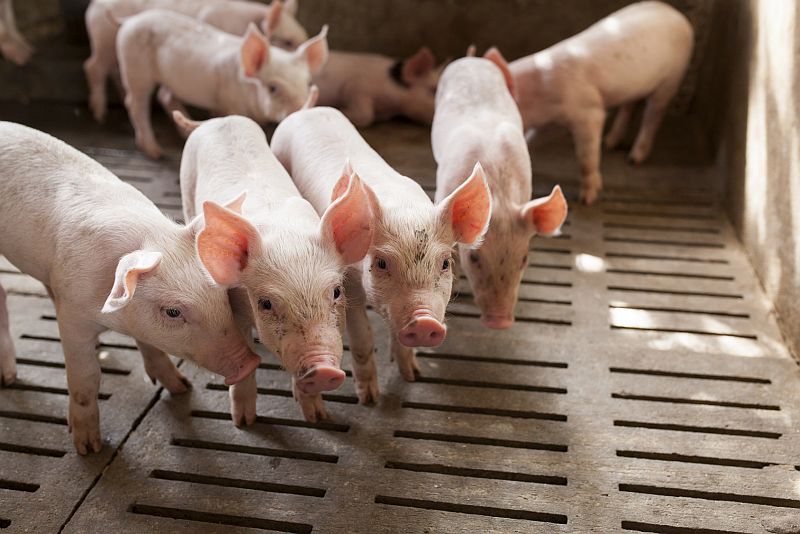
However, following a five-month screening of a single American pig farm in 2015, researchers concluded that carbapenem resistance has actually gained a foothold in U.S. livestock.
"For now, we predict that this can be a uncommon and weird incidence," stated research creator Thomas Wittum. He's chair of the division of veterinary preventive drugs at Ohio State College's School of Veterinary Medication in Columbus.
"We hope that we have now caught it early sufficient to cease it from spreading," he added.
"[But] the danger to the general public is that these are meals animals that may sometime enter the meals provide as contemporary pork merchandise," Wittum defined.
"Whereas we did not discover any proof that that has occurred on this explicit farm, it's a potential concern," he stated. "We need to ensure that multidrug-resistant micro organism like these are by no means current in meals, and a method to do this is to ensure that they don't seem to be launched onto our farms."
Earlier than this newest investigation, the U.S. Facilities for Illness Management and Prevention had already marked the rise of carbapenem-resistance as an "pressing risk."
Some examples of carbapenems embrace Doribax (doripenem), Primaxin (imipenem) and Merrem (meropenem).
Within the research, researchers targeted on one business farm that had been completely breeding its personal line of swine livestock for half a century.
Bacterial swabs and fecal samples had been collected from the partitions and flooring of pig pens, and from among the many 1,500 pigs themselves.
Ultimately, bacterial analyses uncovered the presence of a particular carbapenem-resistant gene referred to as blaIMP-27.
Although not widespread, the gene was discovered on a specific sort of DNA fragment recognized for its means to simply transfer from species to species.
Nonetheless, the gene was primarily situated within the breeding enclosure atmosphere, reasonably than amongst pigs being fattened for slaughter, and the analysis group discovered no indication that it had truly entered the U.S. meals provide.
As to its unique supply, Wittum had a easy however troubling reply: "We do not know."
"The unfold of this explicit resistant pressure on this farm could also be associated to antibiotics used to deal with sick pigs, for a similar cause that resistant micro organism like these are current in human hospitals due to the way in which we deal with sick folks with antibiotics," he stated.
"We won't simply cease treating the sick pigs with antibiotics due to the damaging affect that might have on animal welfare. However it is likely to be attainable for the farm to make use of antibiotics in several methods to cease the unfold of this explicit pressure," Wittum prompt.
The researchers reported their findings Dec. 5 within the journal Antimicrobial Brokers and Chemotherapy.
Elizabeth Scott, chair of the division of public well being at Simmons School in Boston, stated that whereas the findings aren't stunning, the danger is actual.
"It's massively regarding, as a result of antibiotic resistance is an more and more severe risk to world public well being," she stated.
"Though some specialists assume that it's already too late, and that we live in a post-antibiotic period, I consider that there are nonetheless issues that may be accomplished to reduce the danger," added Scott.
These steps might embrace: "banning the usage of antibiotics as animal-growth promoters; utilizing veterinary antibiotics to deal with solely sick animals; adopting good antibiotic-prescribing in human drugs; and customarily lowering the variety of antibiotics being prescribed," Scott stated.
"Additionally, we may also help to reduce the danger of buying an an infection in our day by day lives by adopting good hygiene follow, together with private and home hygiene to scale back the danger of community-acquired pores and skin, respiratory and gastrointestinal infections," she prompt. Scott additionally serves as co-director of the Simmons Middle for Hygiene and Well being in Dwelling and Neighborhood.

Copyright © 2016 HealthDay. All rights reserved.
SOURCES: Thomas Wittum, M.S., Ph.D., professor and chair, division of veterinary preventive drugs, Ohio State College School of Veterinary Medication, Columbus; Elizabeth Scott, Ph.D., affiliate professor, division of biology, chair, division of public well being, and co-director, Simmons Middle for Hygiene and Well being in Dwelling and Neighborhood, Simmons School, Boston; Dec. 5, 2016, Antimicrobial Brokers and Chemotherapy

No comments:
Post a Comment